Lead DesignerFintechWeb & Mobile

Scaling DailyInvestments to a 79 NPS

Redesigned a fintech core trading platform to bridge the gap between novice and expert traders — turning complexity into confidence.
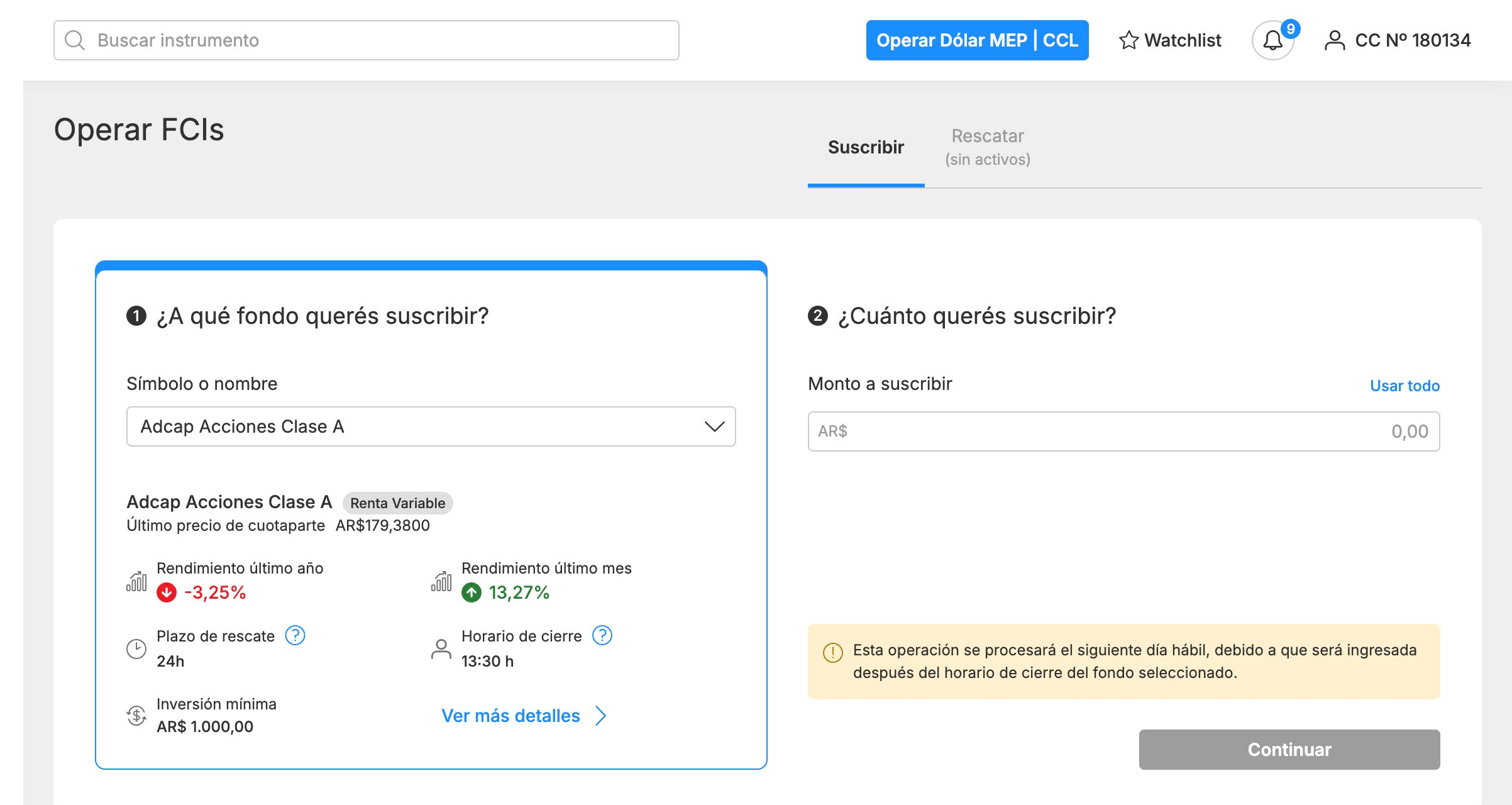
PPI Trading — desktop product view
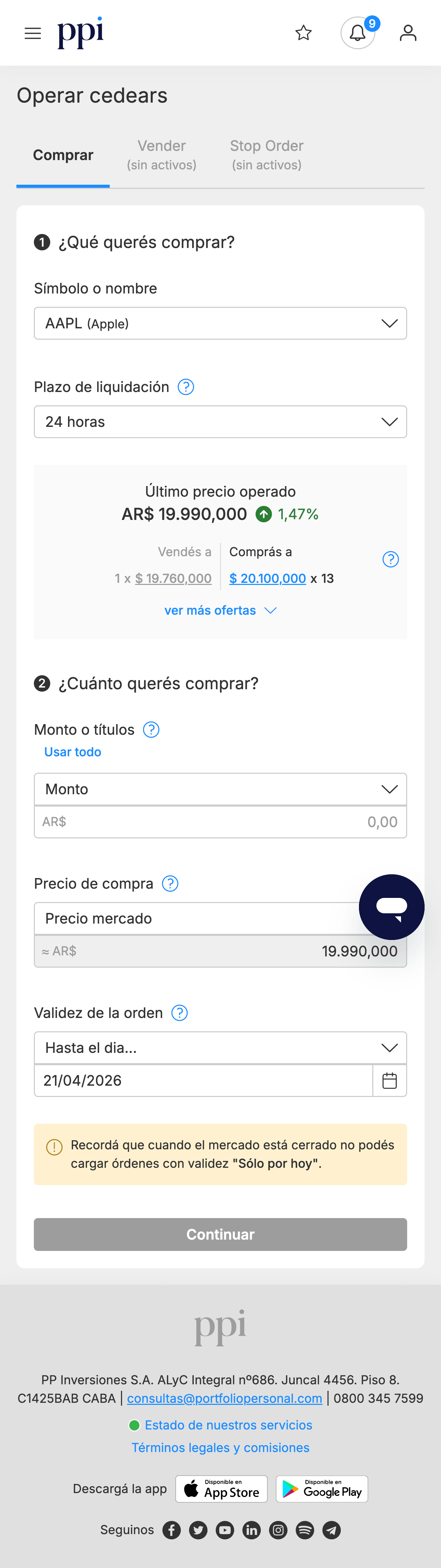
PPI Trading — mobile product view

Role: Lead Product Designer·Team: 1 PM, 2 FE, 2 BE, 1 QA·Tools: Figma, TradingView, Hotjar

Outcome

Impact

Within three months of launch, the platform's NPS jumped from 41 to 79. Trade volume grew 40% as onboarding friction dropped. The progressive disclosure pattern became a design standard adopted across other PPI products.

Cauciones

instrumento de utilización masiva

79NPS Score
9.31,963 puntuaciones
Detractores 84 (4.3%)
Pasivos 238 (12.1%)
Promotores 1,641 (83.6%)

Acciones

instrumento de utilización más especializada

61NPS Score
8.91,346 puntuaciones
Detractores 137 (10.2%)
Pasivos 245 (18.2%)
Promotores 964 (71.6%)
79NPS Score
+40%Trade volume
−12.5%User error rate
−20%Time-to-task

Context

Brief

Daily Investments is the core trading module of PPI's platform. The product had grown organically — exposing friction without resolving information architecture. New users felt overwhelmed, experienced traders wanted speed. We needed to serve both without splitting the product.

Stakeholder interviews across sales, support, and compliance
Competitive audit of 8 trading platforms
User journey mapping across web and mobile
Progressive disclosure framework for multi-level users
Cross-platform flows synced with design system

Research

Affinity mapping

We ran 12 user interviews across two segments — new investors and experienced traders — and clustered insights into five themes. The friction wasn't one thing; it was the accumulated weight of many small confusions.

User persona
Female, 32, Buenos Aires. Works in digital marketing. First contact with investing 2 years ago.
Male, 28, Córdoba. Freelance developer. Variable income month to month.
Female, 45, Rosario. Accountant. Used to managing other people's money but not her own.
Male, 37, Buenos Aires. Restaurant owner. Looking to protect savings from inflation.
Female, 26, La Plata. Graduate student. Just starting to save.
About the person
"I'm embarrassed I don't know about finance. Money was never discussed at home."
Watches financial content on YouTube but struggles to apply it to their own situation.
Afraid of making a mistake and losing the little they manage to save.
Compares prices on everything but has never compared investment returns.
Prefers to delegate financial decisions. Doesn't want to become an expert — wants to trust someone.
Person & investments
Has a fixed-term deposit as only investment. Auto-renews without checking the rate.
"I've bought dollars my whole life. It's the only thing I understand."
Tried another investing app but abandoned it — too many options.
Can't tell the difference between mutual funds, bonds, and stocks. "It all looks the same."
Associates investing with wealthy people. Doesn't feel like they belong in that world.
Would love to automate. "If I could put it on autopilot, I would."
About PPI / Diver
Found the platform through word of mouth. Had never seen any ads before.
"I liked that they don't talk to me like I'm a trader. The tone feels more human."
Doesn't understand what PPI does vs. what Diver does. The brand is confusing.
Values that it's regulated by the CNV. Feels safer than a fintech.
Perceives the app as "serious but cold." Needs more warmth at key moments.
Experience with PPI
Onboarding asks for too much data without explaining why. Creates distrust.
"When I see my portfolio in red I don't know if it's serious or normal. Nobody explains."
Home screen has too much information. Doesn't know where to look first.
Would like a simple weekly summary: "your money grew / dropped X%."
Withdrawal process felt confusing. Didn't know when they'd receive the money.
Highlights customer support via WhatsApp. "They replied quickly and clearly."

Key Insights

Understanding the friction

Two user segments, one shared frustration: the platform asked users to know what they wanted before they understood what was available.

62%

of new users abandoned onboarding before reaching their first trade

3.2×

more clicks required to place a trade compared to market competition

41

NPS before redesign — a clear signal that users were struggling

Design

The solution

A progressive interface that adapts to expertise — surfacing just enough data for beginners while keeping depth accessible for power users.

Trade flow

From selection to confirmation in 3 clear steps

1. Select instrument

❶ ¿Qué querés comprar?
Plazo de liquidación
?
48 horas
GD30Bono Rep. Argentina USD 2030
GD30+1.25%
Último precio operadoUSD 67.450
Libro de ofertas
PrecioCantidad
67.40015.000
67.3508.500
67.30022.100
COMPRA
PrecioCantidad
67.50012.000
67.5505.300
67.60018.700
VENTA

2. Set amount & price

❷ ¿Cuánto querés comprar?
Monto
AR$ 10.000,00
Cada 100 títulos
Precio mercado
Definido por mercado
Hasta el día...
15/04/2025
⚠️Recordá que cuando el mercado está cerrado no podés cargar órdenes con validez Solo por hoy.
Estimado a pagarAR$ 10.000,00

3. Review & confirm

9:41
Detalle de orden

¡Orden generada
con éxito!

Tu orden fue registrada correctamente

InstrumentoGD30
TipoVenta
Cantidad10 títulos
PrecioMercado
Monto estimadoUSD 674,50
EstadoPendiente

Design System

Building inputs before variables existed

In 2022, designing the input system for PPI's trading platform meant working without Figma variables — they wouldn't ship until mid-2023. Every state was a separate component. Every combination multiplied. The result: a 200+ component matrix covering currency formatting, validation states, dropdowns, and prefix/suffix combinations across desktop and mobile.

Input matrix · partial view
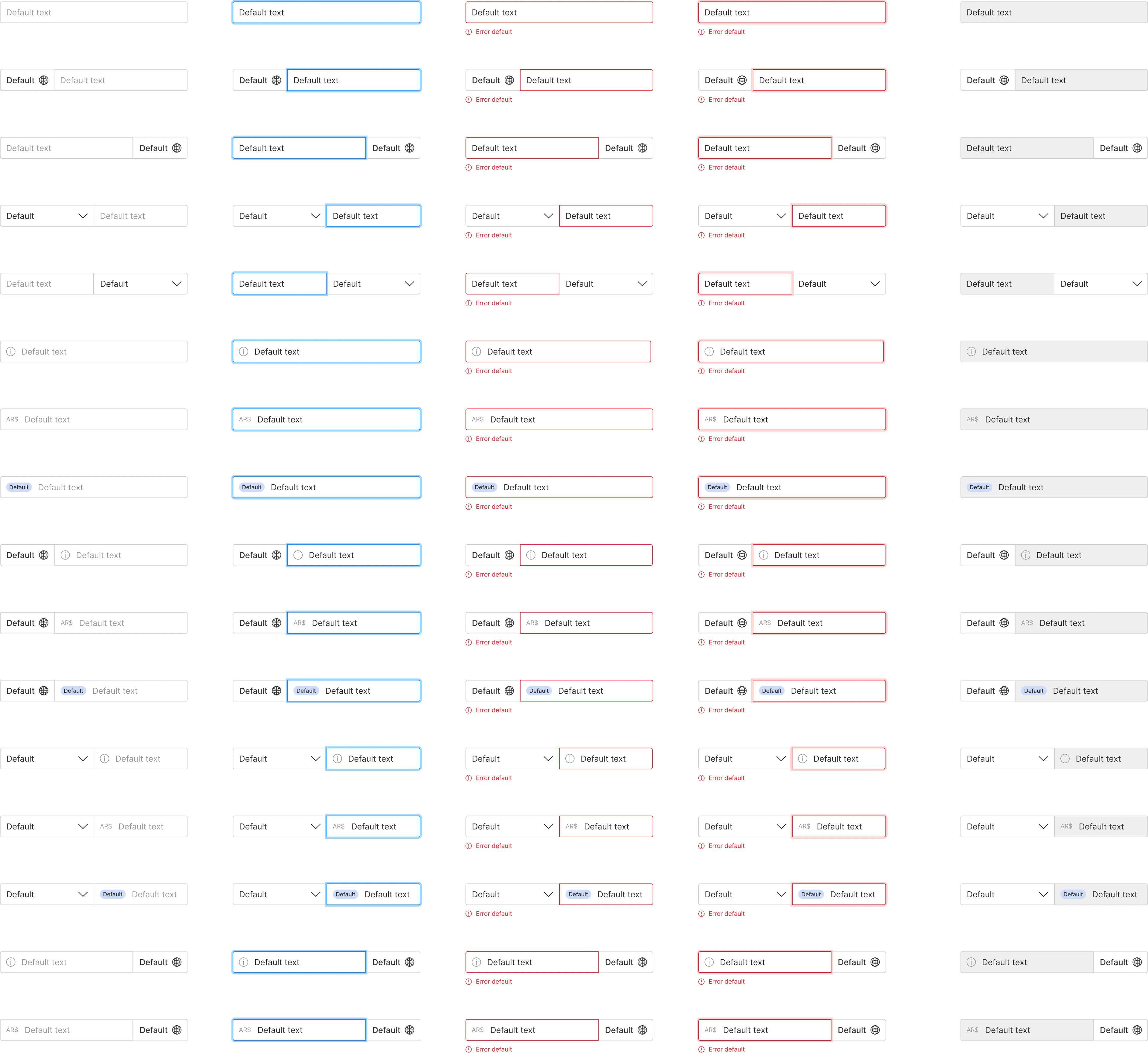
Input component matrix from PPI design system showing 200+ variants across states and types
Next project

Manchester City: Securing the Matchday Experience

Redesigned the fan experience to prevent ticket fraud using biometric access in a no-code architecture.

View case study